How to Choose the Right Rug Size for Every Room
- 19 Aug, 2026
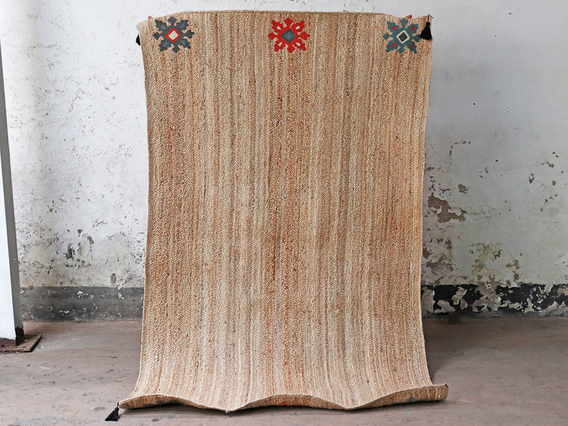
A rug can pull a room together, add warmth underfoot and soften the sound in a space with hard floors. Yet one of the most common decorating mistakes is choosing a rug that is simply the wrong size. A rug that is too small makes furniture look as if it is floating, while one that is too large can swallow a room. The right size depends on the room and how you use it.
Measure before you shop
Before you fall for a pattern, grab a tape measure. Note the size of the room and the area you want the rug to define, such as the seating area or the space under a dining table.
A simple trick is to mark the outline of the rug on the floor with masking tape, or lay out old sheets in the size you are considering. Live with it for a day or two. You will quickly see whether it feels balanced and whether doors open freely over it.
As a general guide, leave a strip of bare floor between the edge of the rug and the walls. This frames the rug and makes the room feel more spacious.
Living room
In the living room, the rug should connect the furniture into one group. There are three common layouts:
- All legs on. The rug is large enough for every piece of seating to sit fully on it. This creates a generous, unified look and works well in open-plan spaces.
- Front legs on. The front legs of the sofa and armchairs rest on the rug, while the back legs stay on the floor. This is the most popular option, as it links the furniture without needing a very large rug.
- Coffee table only. A smaller rug sits under the coffee table with the furniture around it. This can work in compact rooms, but make sure the rug is still wider than the table.
For larger living rooms, a generous piece such as this large handwoven natural rug gives you room to use the front-legs-on layout comfortably.
Dining room
Under a dining table, the rug needs to be big enough for the chairs to stay on it when they are pulled out. Otherwise, chair legs catch on the edge every time someone sits down. Measure the table and add enough space on each side for a chair to slide back comfortably. Match the shape too: round tables often look best on round rugs, and rectangular tables on rectangular ones.
Bedroom
In the bedroom, the aim is a soft place to step onto in the morning.
- A large rug can sit under the lower two thirds of the bed, leaving the bedside tables on the floor.
- Two runners, one on each side of the bed, work well in narrow rooms.
- A smaller rug at the foot of the bed adds texture without covering much of the floor.
Choosing materials and caring for your rug
Think about how much traffic the room gets. Wool rugs feel warm and are naturally hard-wearing, cotton and flatweave rugs are light and often easy to clean, and natural fibres such as jute bring texture to relaxed, rustic schemes.
To keep any rug looking its best:
- Vacuum regularly, without a beater bar on delicate or long-pile rugs.
- Turn the rug every few months so it wears and fades evenly.
- Use a non-slip underlay on hard floors for safety and comfort.
- Blot spills straight away rather than rubbing them.
Once you know the size you need, choosing a colour and pattern becomes much easier. Take a look at our rugs and mats collection to find one that suits your room.